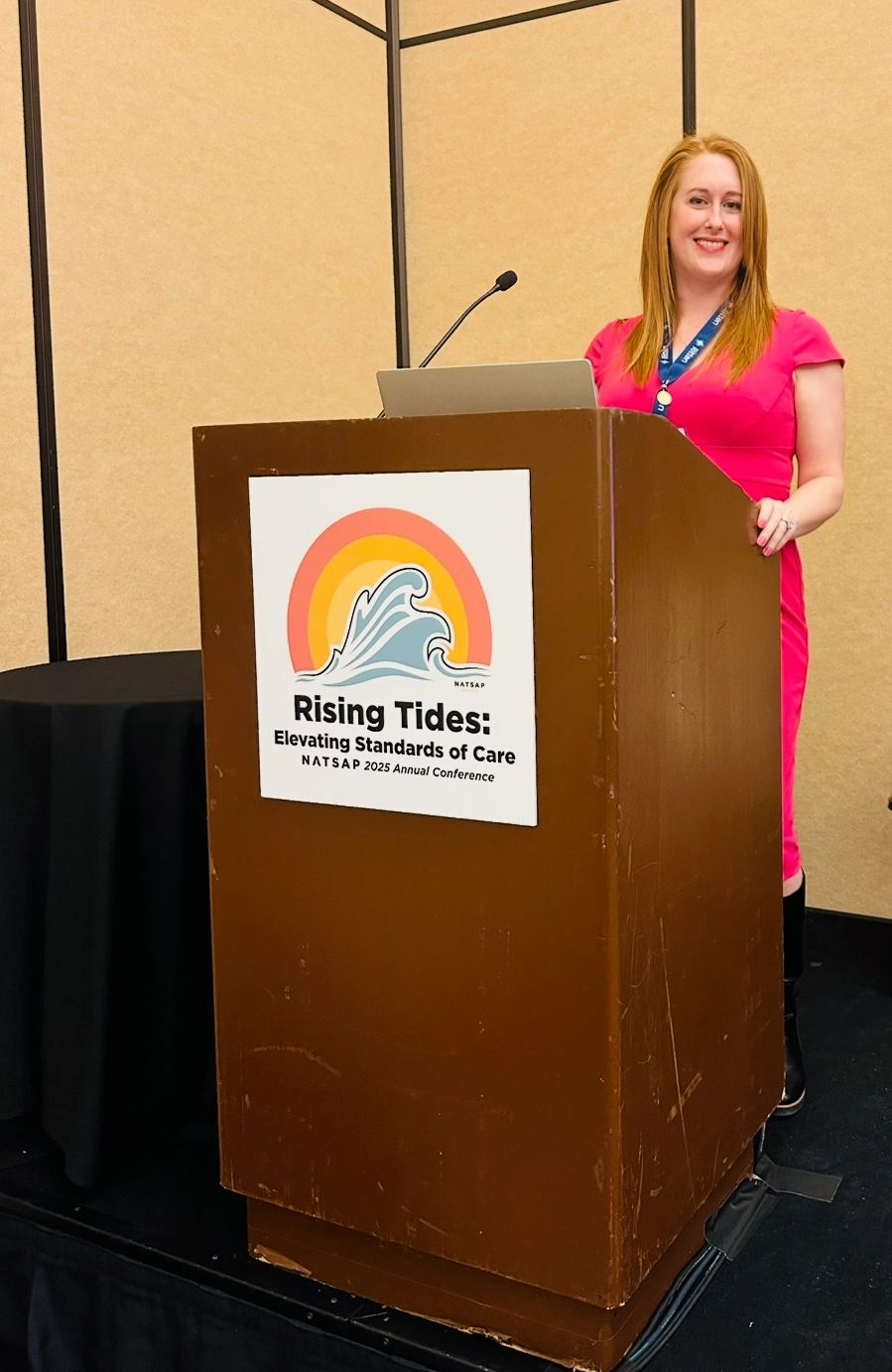
Training Opportunities
Gwendolyne is now booking in-person and virtual trainings for organizations throughout Maine and nationally!
- Half-day (3 CE): $1,200
- Full-day (6 CE): $2,000
- Two-day intensive: $3,500–4,000
- Conference keynote (60–90 minutes): $1,000–1,500
- Graduate program guest lecture: $750–1,000
Implicit Bias in Mental Healthcare
10 Things I Bias About You: The Role of Implicit Bias in Social Work Practice
This training examines how implicit bias shapes clinical social work practice, with a focus on the therapeutic relationship, assessment, and treatment planning. Unexamined biases can subtly influence how clinicians interpret client narratives, assign diagnoses, evaluate risk, and engage in decision-making, often in ways that contribute to inequitable care and outcomes for individuals from marginalized communities. These dynamics can erode trust, impact alliance-building, and limit the effectiveness of interventions.
Grounded in real-world clinical scenarios, this session will explore how implicit bias operates within “the room”, particularly at the intersection of race, culture, social identities, and power. Participants will engage in structured self-reflection on intersectionality to identify their own implicit assumptions and consider how these may shape clinical judgment, countertransference, and communication patterns. Emphasis will be placed on ethical responsibility, humility, and accountability in clinical work.
We will also consider how clinical experiences can inform broader policy awareness and advocacy. Attendees will leave with concrete, evidence-based strategies to enhance culturally responsive care, strengthen therapeutic alliances, and promote more equitable outcomes across diverse client populations in Maine.
The proprietary curriculum is COPYRIGHT © The Coastal Institute for Psychodynamic Training & Treatment LLC - All Rights Reserved.

Personality Disorders and Treatment
Beyond the Diagnosis: Contemporary Conceptualization and Treatment of Personality Disorders Through Attachment, Psychodynamic, and Trauma-Informed Frameworks 6 CE Hours (Including 1 Ethics Hour)
This training focuses on enhancing the ability of clinicians to recognize, diagnose, conceptualize, and treat personality disorders while also differentiating with complex trauma. Many clinicians receive limited formal education in identifying personality organization, differentiating personality pathology from complex trauma, or selecting interventions that promote long-term psychological change. This six-hour interactive workshop provides clinicians with a contemporary, evidence-based framework for diagnosing, conceptualizing, and treating personality disorders with considerations of complex trauma.
Participants will explore current developments in personality disorder diagnosis, including dimensional approaches emerging from the DSM-5 Alternative Model and ICD-11, while learning to distinguish enduring personality organization from the effects of developmental and complex trauma. Building upon attachment theory and contemporary psychodynamic thinking, clinicians will develop practical skills for understanding personality functioning beyond symptom checklists, allowing for richer case conceptualization and more targeted treatment planning.
This training draws upon contemporary research examining how culture, race, social identities, and structural inequities influence diagnostic formulation, therapeutic alliance, and engagement in treatment. Through clinical demonstrations, case discussions, and experiential exercises, attendees will learn interventions that strengthen reflective functioning, improve therapeutic relationships, and effectively respond to common challenges including splitting, rupture and repair, emotional dysregulation, projective processes, and treatment resistance.
An ethics component integrated throughout this workshop examines countertransference, implicit bias, therapist self-awareness, diagnostic responsibility, professional boundaries, and culturally responsive practice when working with individuals experiencing personality disorders. Participants will leave with practical assessment strategies, psychodynamic intervention techniques, and immediately applicable skills that can be integrated into their practice.
The proprietary curriculum is COPYRIGHT © The Coastal Institute for Psychodynamic Training & Treatment LLC - All Rights Reserved.

Mentalization Based Therapy
Restoring Mentalization: Attachment-Focused MBT for Personality Disorders, Trauma, and High-Acuity Clinical Practice 6 CE Hours (Including 1 Ethics Hour)
Many of the individuals seen in community mental health settings struggle not because they lack insight or motivation, but because overwhelming emotion, attachment insecurity, and chronic interpersonal stress temporarily disrupt their ability to understand themselves and others. When mentalizing collapses, clinicians often encounter crises, treatment ruptures, emotional dysregulation, impulsive behavior, rigid thinking, and recurring interpersonal conflict that can leave both therapist and client feeling stuck.
Mentalization-Based Therapy (MBT) offers an evidence-based, attachment-informed framework for understanding these moments. We understand them not as resistance or manipulation, but as understandable disruptions in reflective functioning that can be restored within the therapeutic relationship.
This six-hour interactive workshop introduces clinicians to the theoretical foundations and practical clinical application of Mentalization-Based Therapy across a broad range of clinical populations, including individuals with personality disorders, attachment trauma, chronic suicidality, self-harm, complex PTSD, anxiety, depression, and relational difficulties. Drawing upon attachment theory, developmental psychology, neuroscience, psychodynamic psychotherapy, and contemporary MBT research, participants will learn to recognize moments of non-mentalizing, assess reflective functioning, and intervene using the characteristic MBT stance of curiosity, collaboration, and epistemic humility.
Rather than emphasizing techniques alone, the workshop helps clinicians understand how therapeutic change occurs through restoring reflective functioning and strengthening epistemic trust. Participants will learn concrete interventions that can immediately be incorporated into outpatient psychotherapy, integrated behavioral health, crisis work, and community mental health practice.
Throughout the day, participants will engage in live demonstrations, experiential exercises, breakout discussions, structured role plays, and case consultation designed to increase confidence in applying MBT principles with complex clients.
An ethics component integrated throughout the training examines therapist use of self, countertransference, professional boundaries, cultural humility, implicit bias, and ethical decision-making when working with clients whose attachment histories and personality functioning evoke strong emotional responses in treatment.
The proprietary curriculum is COPYRIGHT © The Coastal Institute for Psychodynamic Training & Treatment LLC - All Rights Reserved.